Il-Manifest tal-Killer
Written and directed by Bryan Muscat Assistant direction by Susanna Callus Produced by Louise and Bryan Muscat
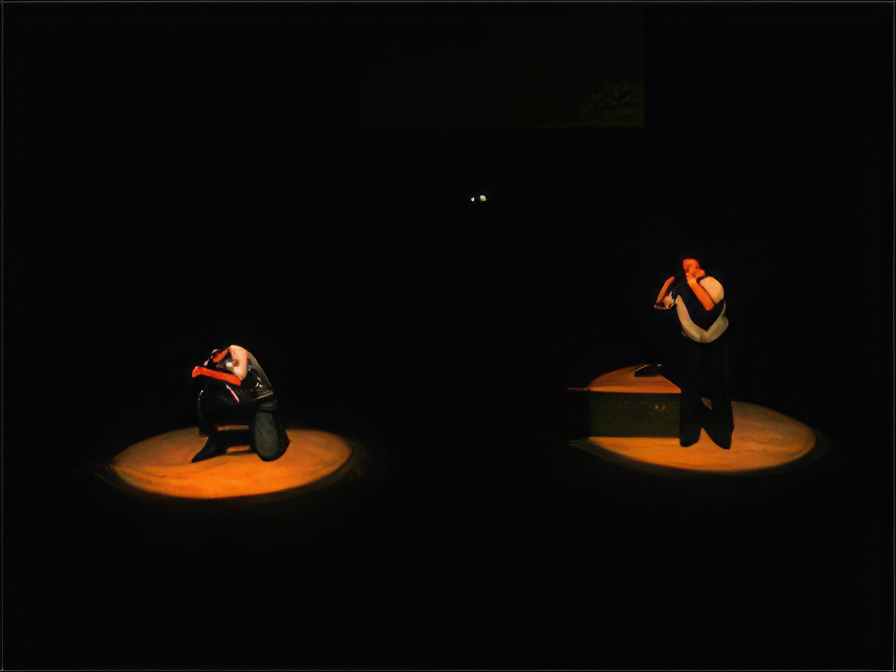
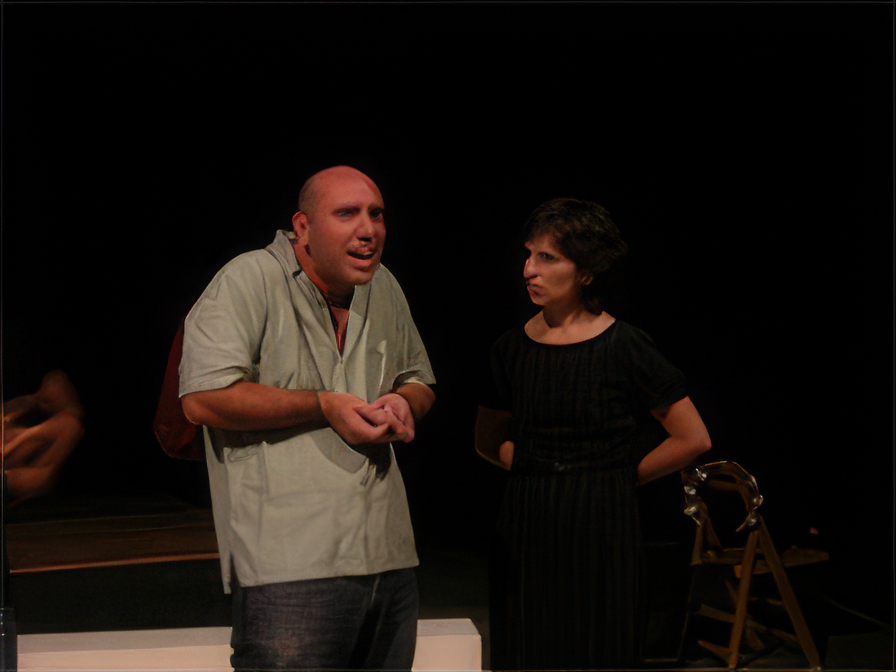
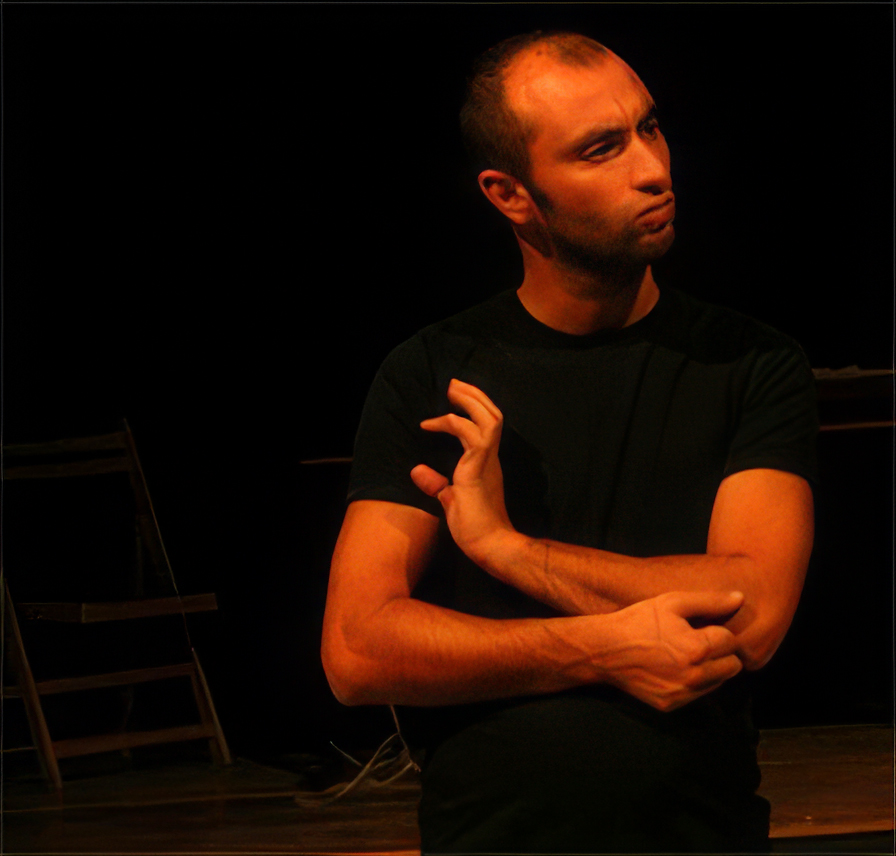
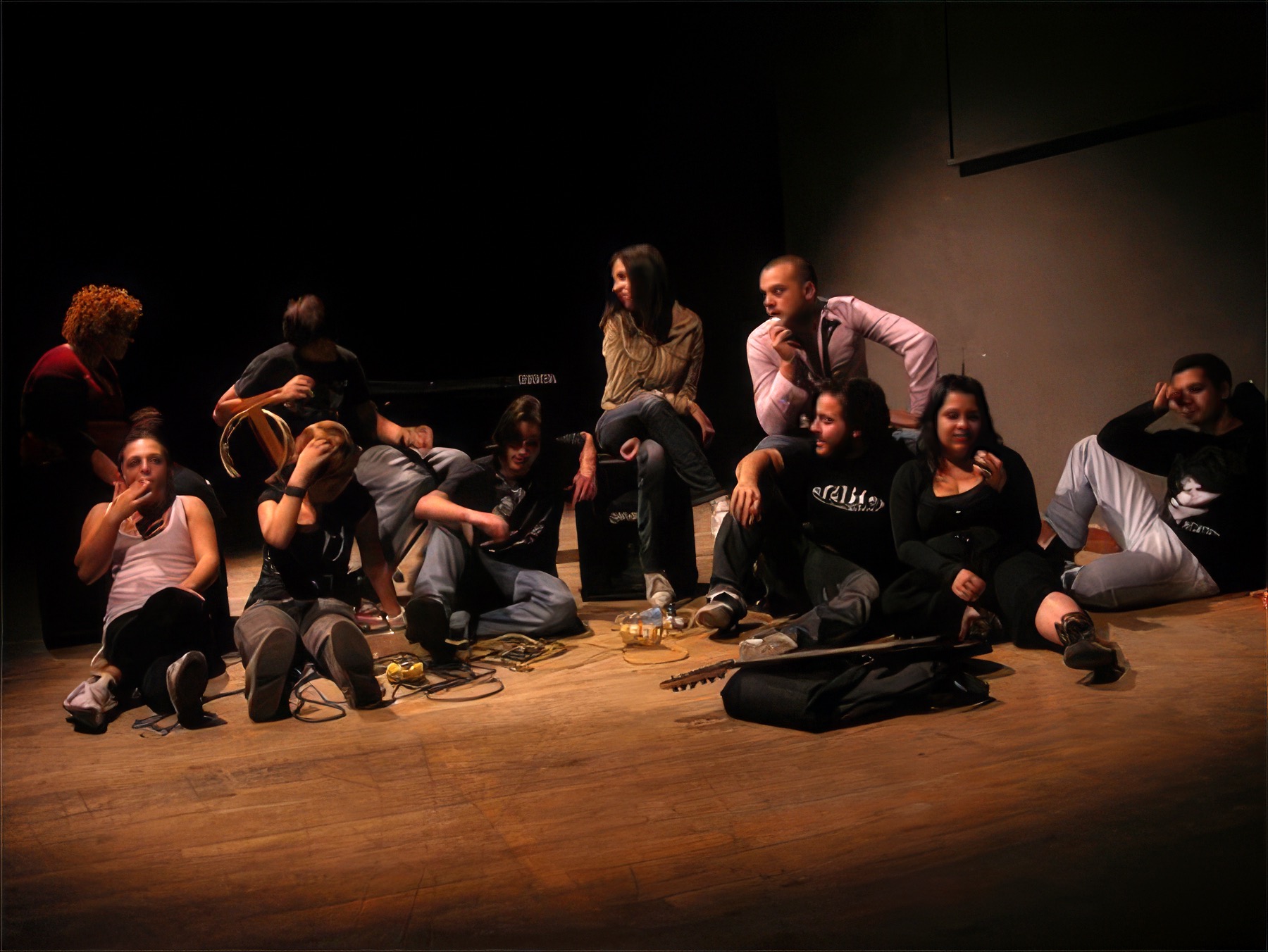
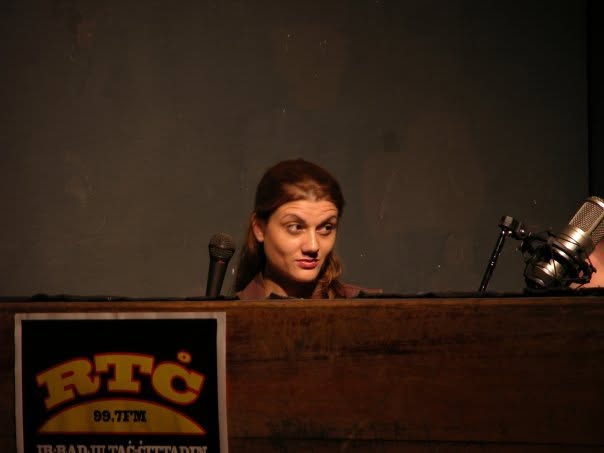
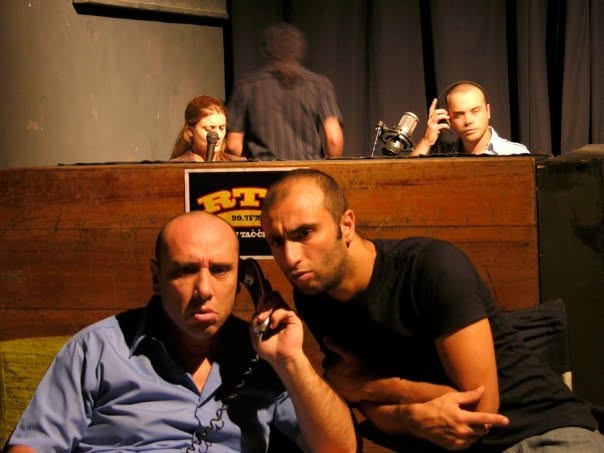
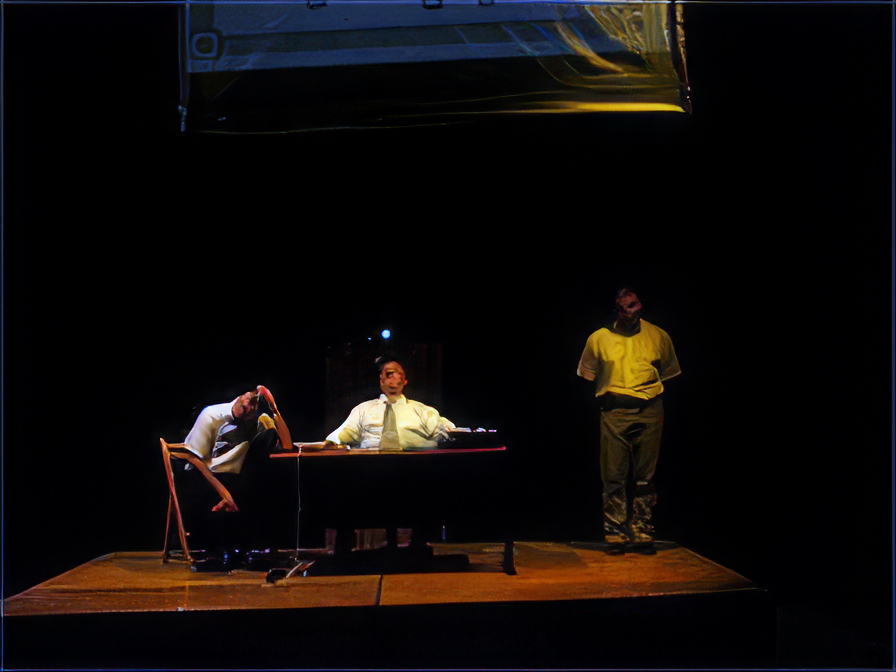
Il-Manifest tal-Killer was Lemonhead Productions’ 11th production: a bold, satirical stage adaptation of Karl Schembri’s novel of the same name. Written and directed by Bryan Muscat, with assistant direction by Susanna Callus and produced by Louise and Bryan Muscat, the production translated Schembri’s anarchic, politically charged world into a live theatrical experience full of urgency, humour and discomfort. Set around RTC, “the citizens’ radio”, the play follows a Malta where everyone is invited to speak — until real speech becomes inconvenient. At the centre of the story is Mario Brincat, a night watchman who listens religiously to Sajjetti, a late-night radio programme hosted by Ivan Azzopardi. Mario is drawn into the world of anonymous online manifestos, public anger and underground rebellion through the mysterious figure known as the Killer, whose messages are read on air and followed by thousands. What begins as a portrait of a lonely man listening from the margins grows into a larger satire about censorship, media control, political hypocrisy and the illusion of free speech. The play moves between radio studio, family home, police office, school corridors and protest spaces, exposing a society where every institution claims to serve the people while quietly protecting its own power. Through Mario’s relationship with his son Sandro, the production also explores generational frustration. Sandro and his friends want action, disruption and revolution; Mario wants to speak but struggles to find the courage. Around them, figures like Violet, Gorg Azzopardi, Ivan, Saliba and the various young activists create a vivid comic landscape of people trying to be heard in a country that is always talking, but rarely listening. The adaptation kept the novel’s sharp edge and irreverent energy, using the immediacy of theatre to bring its arguments closer to the audience. Radio broadcasts, direct narration, projected images and fast shifts between public and private spaces gave the production a restless rhythm, reflecting a society on the verge of shouting over itself. At once comic, angry and deeply Maltese, Il-Manifest tal-Killer examined what happens when protest becomes performance, when media becomes theatre, and when ordinary citizens begin to realise that being given a microphone does not necessarily mean being given a voice.