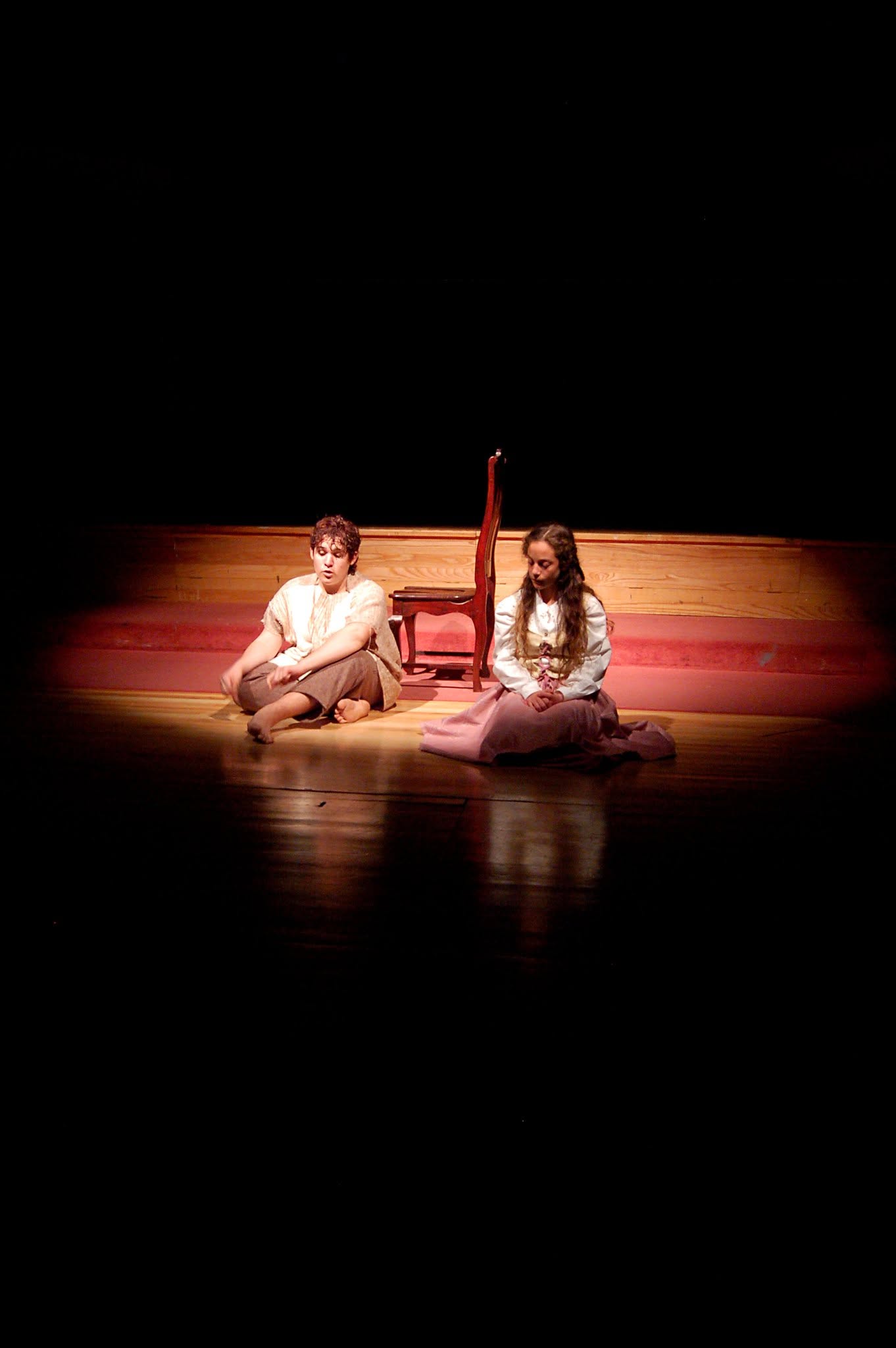
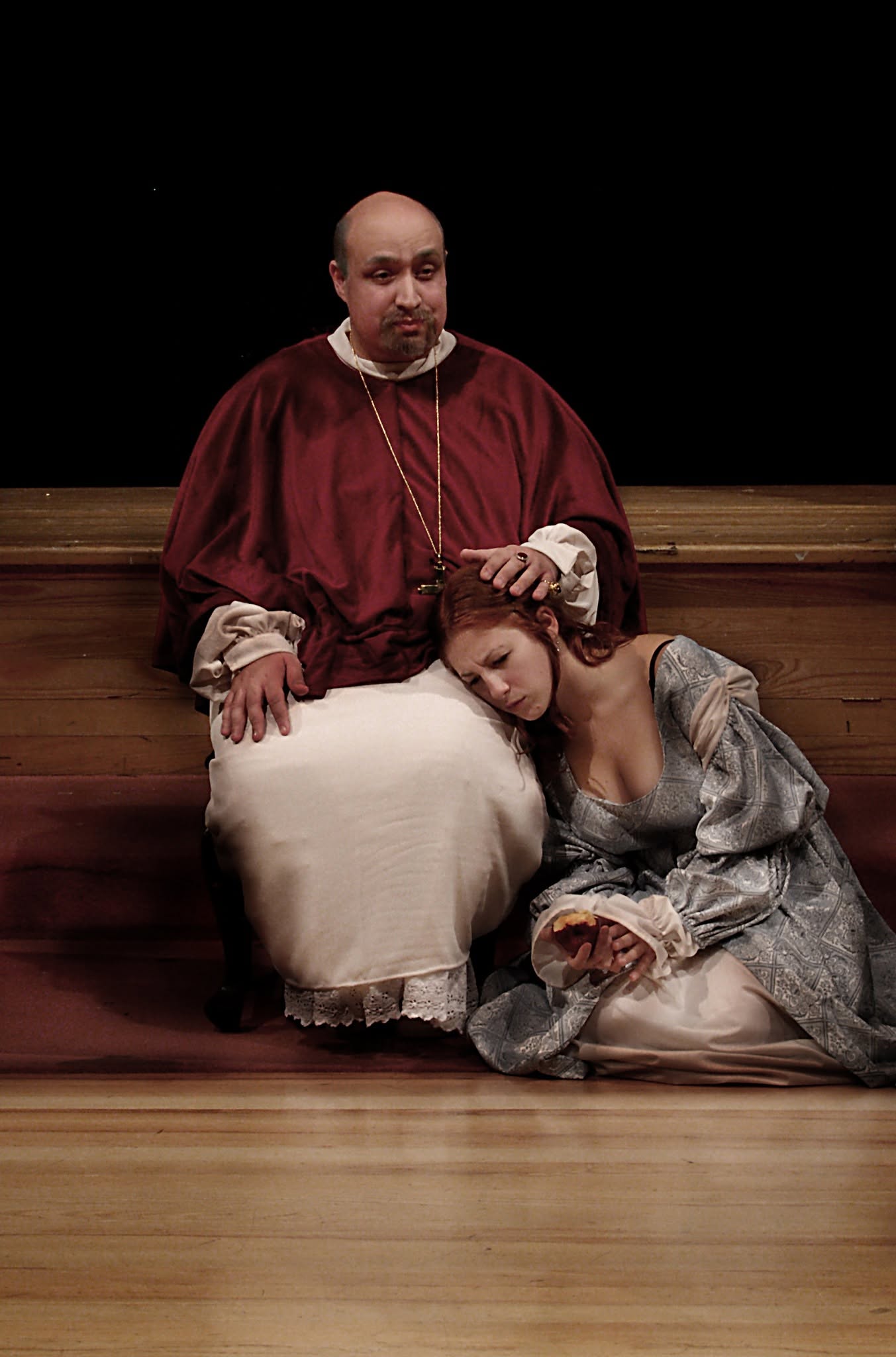
Lucrezia Borgia’s reputation had long been shaped by scandal, misogyny and political propaganda. This article questioned the familiar image of Lucrezia as a poisoner and seductress, then linked that myth-making to Lemonhead Productions’ stage treatment of her life, which blended history and fiction to explore whether she was a victim of power or an active political player. Lucrezia Borgia was no saint. Everybody knows that. She poisoned men, had sexual relations with her father and brother, was manipulative and her general demeanor was that of the typical female member of the canine species from hell. Chroniclers of the time went as far as claiming that she was in fact the second most evil woman after Eve. And that is no joke indeed. Or is it? As they say, hindsight is 20:20, and Lucrezia Borgia's top spot but one in the Little Nick's Hit List, smacks more of male insecurity than anything else. Medieval intellectuals and theologians reasoned more or less on these lines: Men are strong. Women are weak. Men go bonkers in the presence of women. Therefore women are evil. This logic persisted for a very, very, very, very long time. Think of the last case of rape you've heard about, and see if the rapist's defense lawyer didn't adopt the My-client-was-provoked-by-your-client's-attire approach. Surprise, surprise; it's still with us. Now let's try to empathise a bit with Lucrezia Borgia. Through no fault of hers, she was the daughter of a Pope, sister to Cesare (the Renaissance's equivalent of Begbie); she was rich, powerful, beautiful (they say) and wore the latest fashion. This is asking for more than your fair share of bilious, spiteful, green-eyed envy. Under such circumstances, people not partaking of any or all of the above, tend to lie a lot. At the time the Italian peninsula was in a political mess. Lords, Barons, Kings and Popes were in constant feud as to who had the right to own what, and as a result, the country was in tatters. Pope Alexander VI (formerly Rodrigo Borgia), Lucrezia's father, was a vigorous and unscrupulous politician who managed to secure land for the Vatican. This annoyed many a nobleman who, in their turn, hired propagandists to disseminate slander and tarnish the name of the Borgias as much as possible. This does not mean that the Borgias' reputation was solely made up of hearsay. Simony, nepotism, lechery and similar such nefarious deeds most probably happened frequently. But it was nothing to be gob smacked about. People in power behaved dirty, and some were dirtier than others.
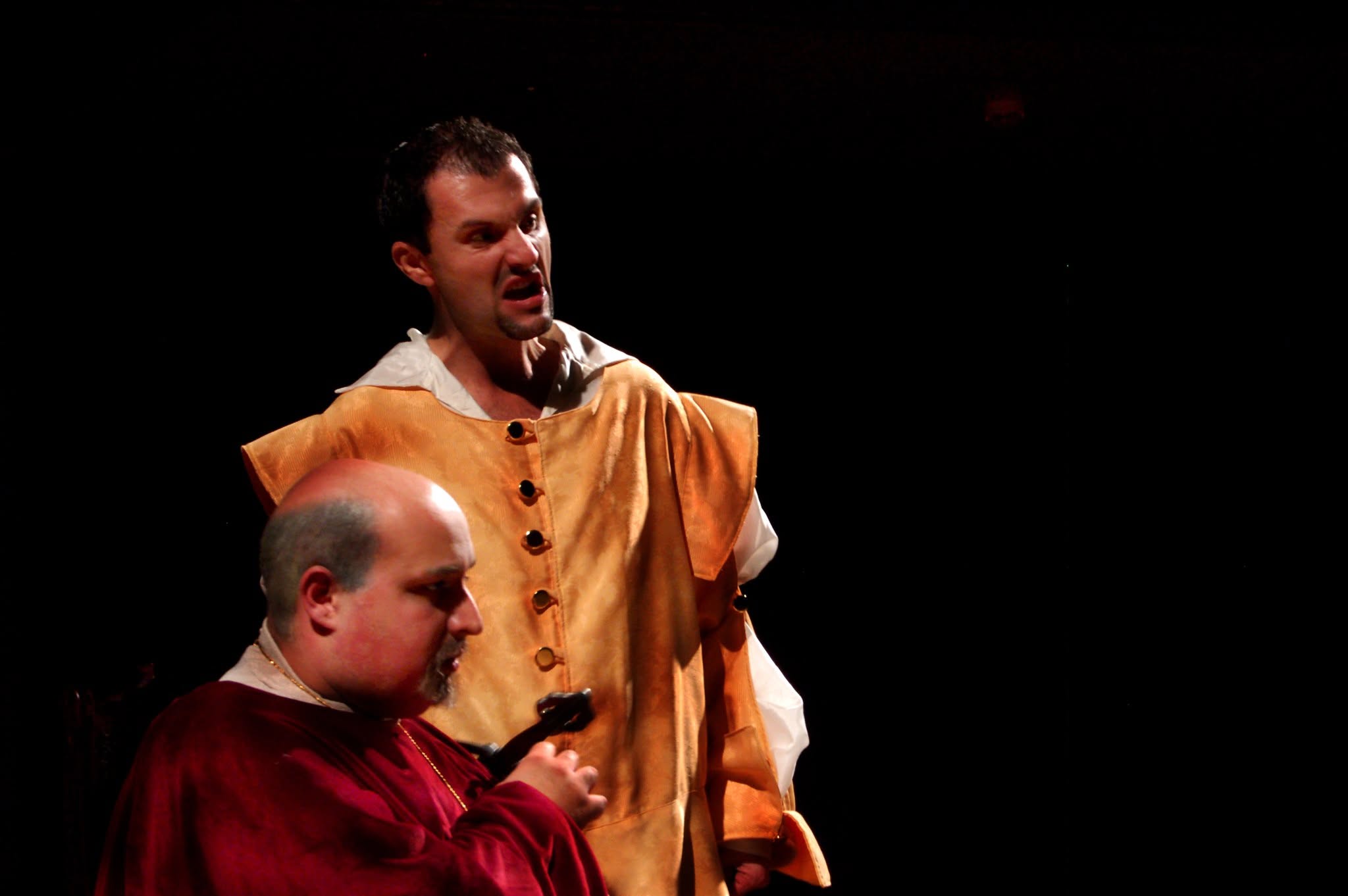
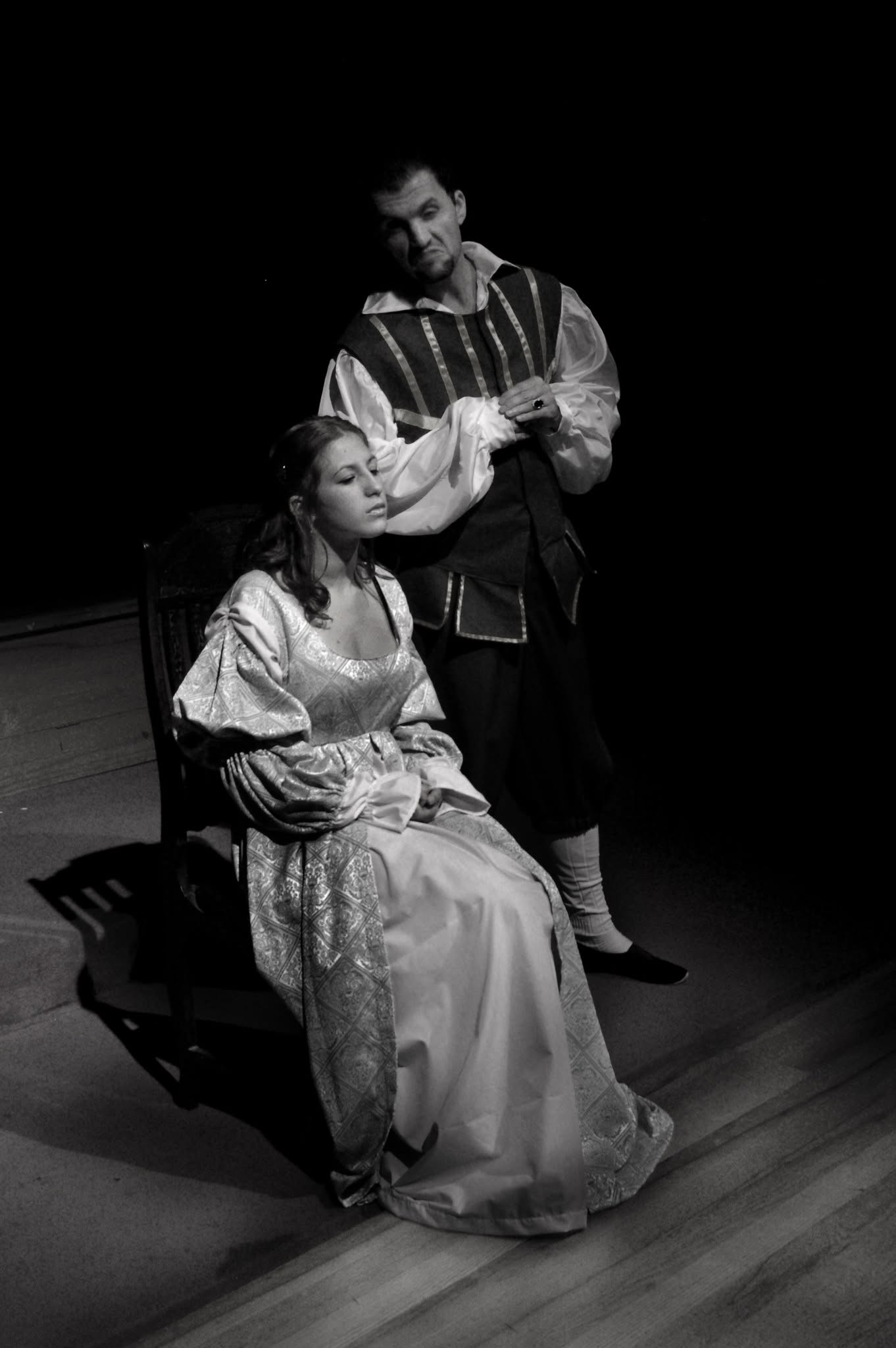
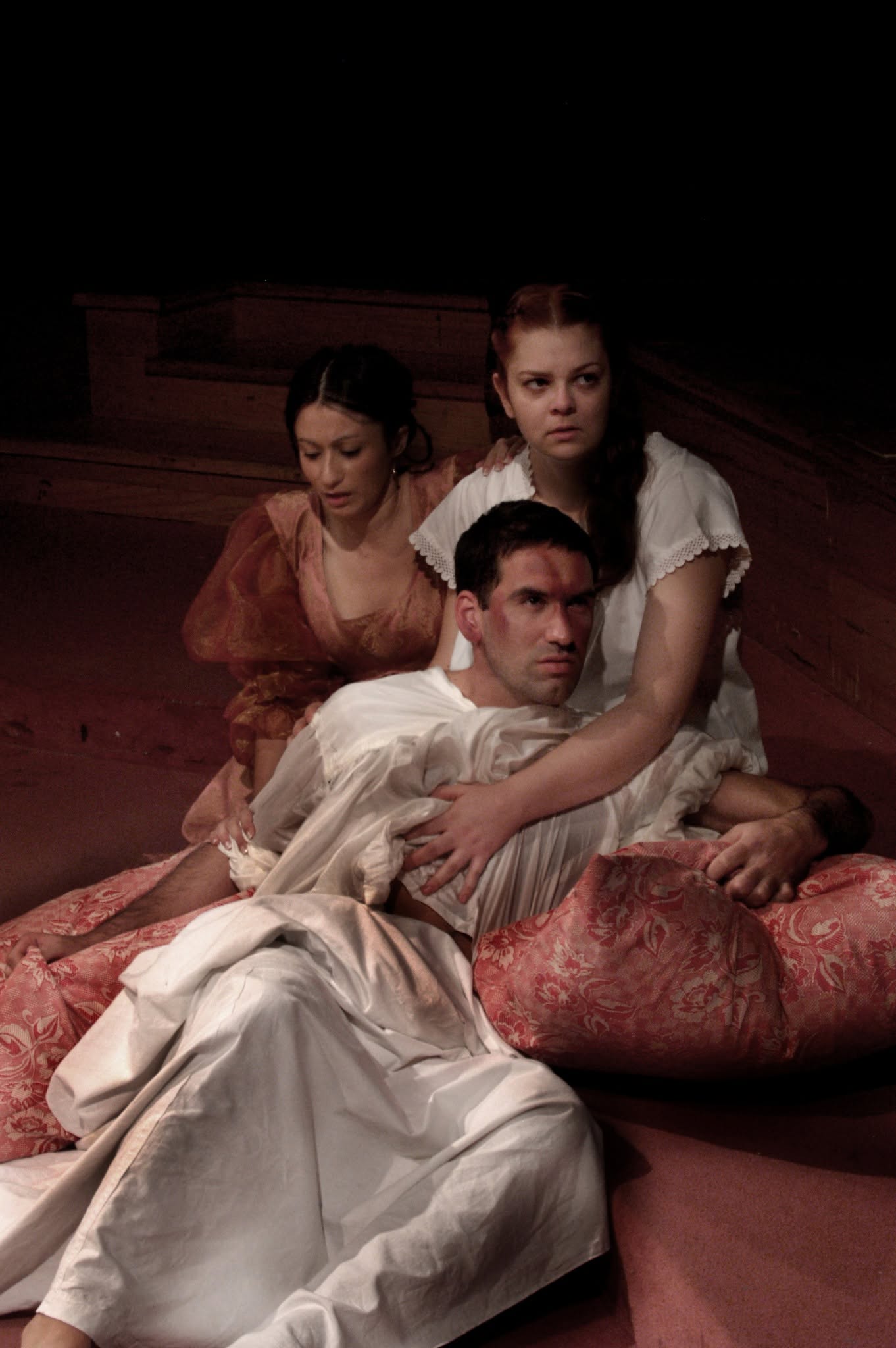
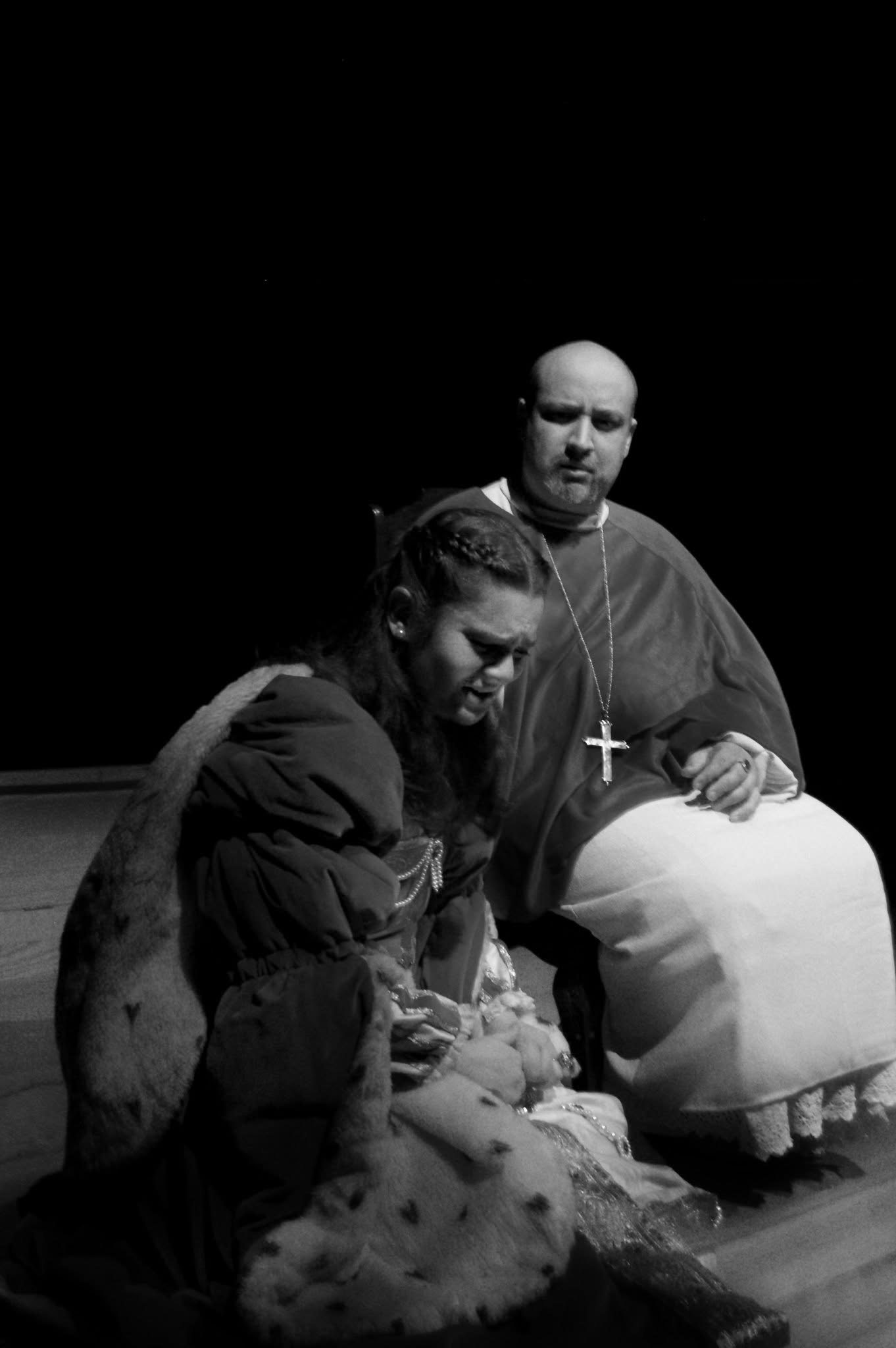
This air of mystery, secrecy and shady dealings was one of the reasons why Bryan Muscat, Lemonhead Productions' co-founder, was attracted to Lucrezia Borgia. After discussing the possibility of a play set in Renaissance Italy with a select group of Lemonhead members, and getting their enthusiastic thumbs-up, Bryan took it upon himself to write the script. Part fact and part fiction, the story explored a particular period in Lucrezia's life where she was literally engulfed in politics. She might have been a victim, or she might have been pulling strings of her own; whatever, the script was replete with tense drama and powerful emotions that had by then become synonymous with Lemonhead productions.
For Lucrezia Borgia, Bryan relinquished the director's seat and passed it on to Noel Tanti, a former student of Lemonhead. Noel had already acted as assistant director and scriptwriter on other projects, but this was his first major production. Needless to say, it was a daunting task, but one which was rendered a lot easier by the professional attitude espoused by both cast and crew. Talent on its own got you nowhere unless it was married to devotion, commitment and discipline.
The play was performed at St. James Cavalier in December 2007.