Bar Macbeth: Shakespeare in the Shadows of Strait Street
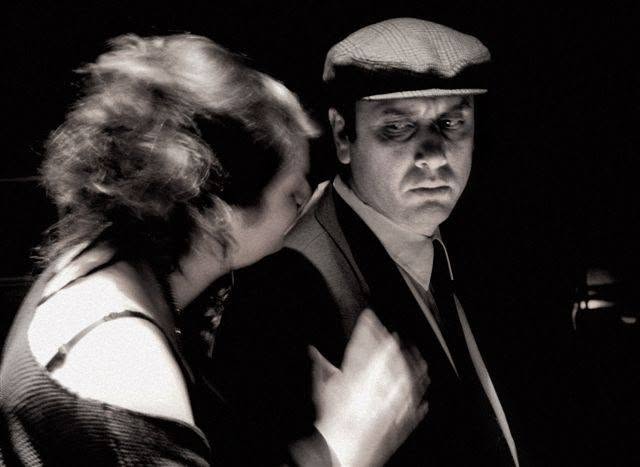
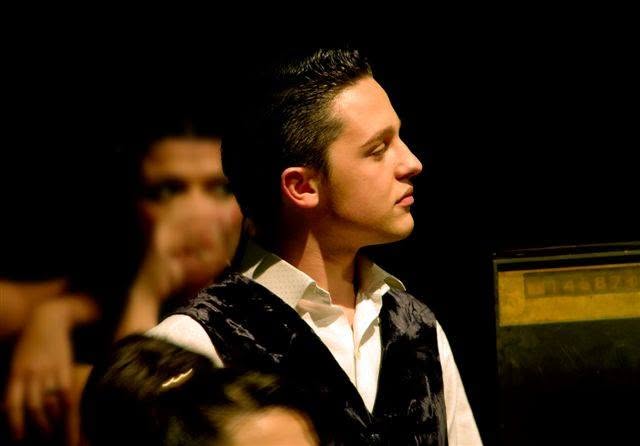
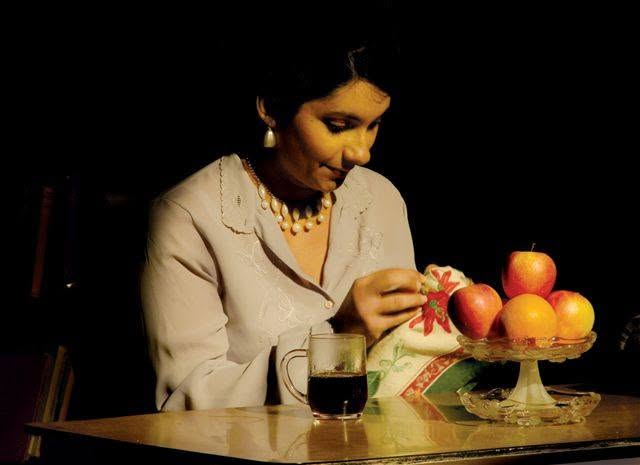
Staged at the MITP Theatre in Valletta in December 2005, Bar Macbeth is a Maltese adaptation of Shakespeare’s Macbeth that relocates the tragedy from medieval Scotland to the charged atmosphere of 1950s Valletta. Written and directed by Bryan Muscat, and produced by Louise and Bryan Muscat, the production was presented in colloquial Maltese and transformed Shakespeare’s world of kings, thanes, witches and battlefields into a recognisably local universe of nightclubs, fraternities, ambition, loyalty and betrayal.
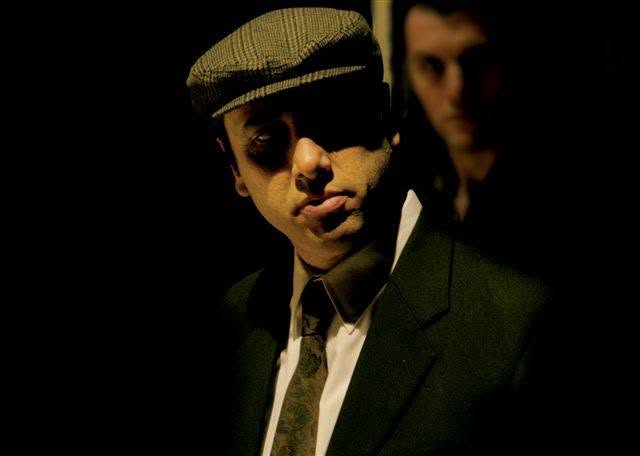
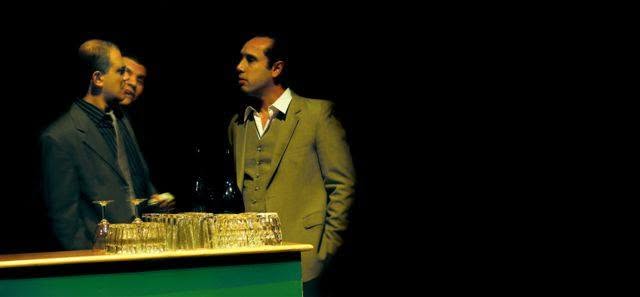
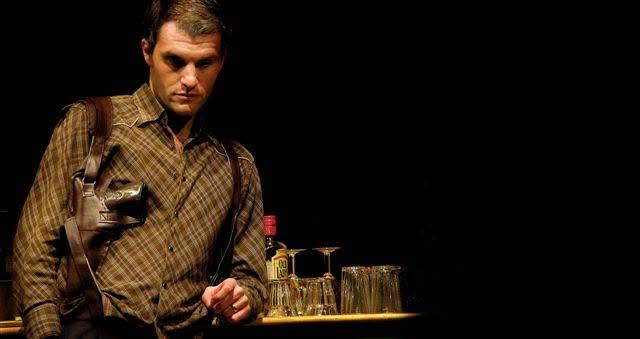
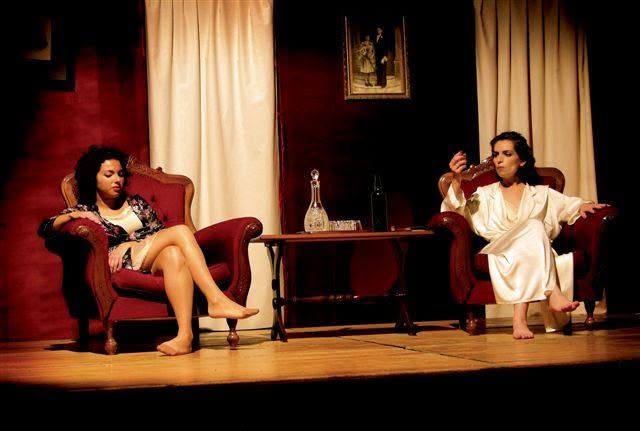
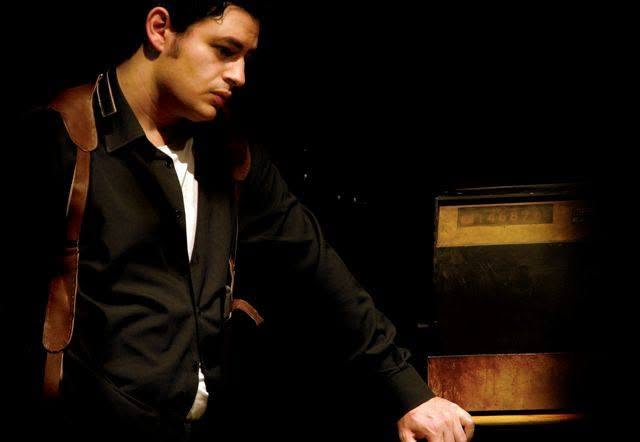
The play is set around Strait Street, Valletta’s famous entertainment district, at a time when bars, clubs, sailors, performers, sex workers and local power brokers shaped one of the city’s most vivid social landscapes. In this version, Duncan is no longer a king but Don Duncan, the head of a fraternity and owner of Duncan’s Club. Macbeth is his trusted enforcer, a man valued for loyalty and efficiency, while Banquo and Seyton stand beside him as accomplices in the violent business of protecting the organisation.
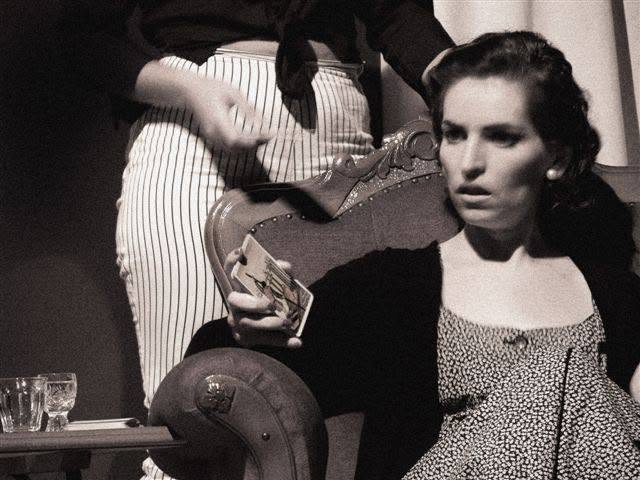
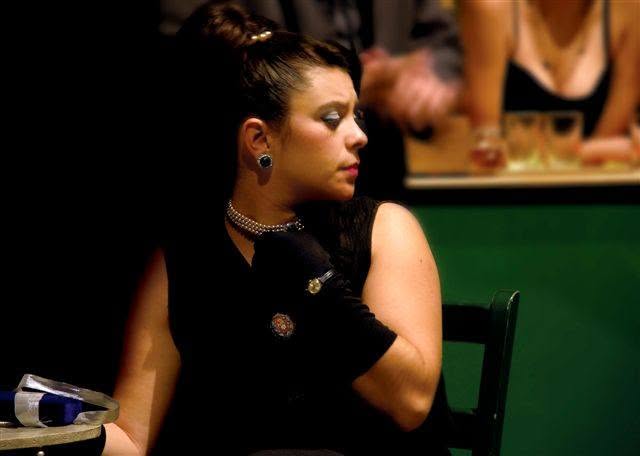
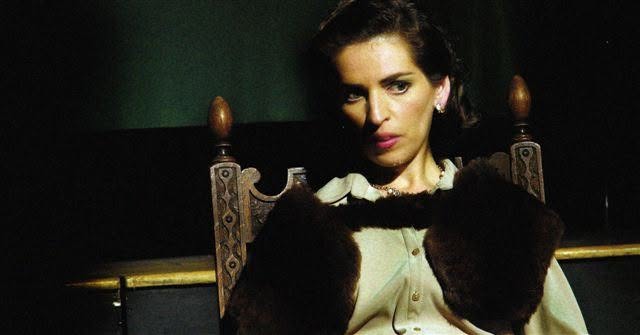
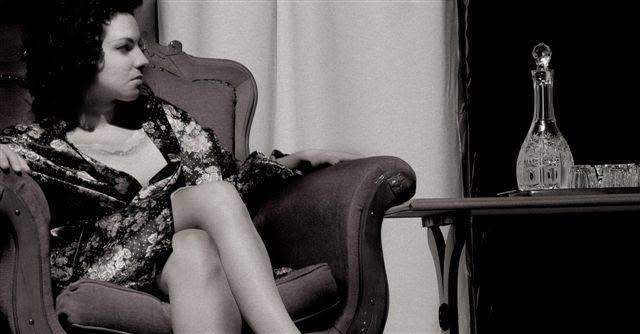
The adaptation keeps the central architecture of Shakespeare’s tragedy intact while giving it a distinctly Maltese social and linguistic identity. The three witches become Sara, Samara and Salome, three fortune-telling sisters who move through Strait Street with a mixture of mockery, menace and uncanny insight. Lady Macbeth becomes Bettie, a sharp, ambitious woman whose past and survival instincts give the character a new local edge. Malcolm, Macduff, Banquo and Duncan remain central to the drama, but their conflicts are reframed through the codes of a criminal fraternity rather than monarchy.
The story begins in darkness, with Macbeth, Banquo and Seyton hunting down Glen, a traitor accused of selling secrets to Siward, the rival power across the street. After Glen is killed, the three sisters greet Macbeth with predictions: he will rise within the fraternity, become manager, and eventually become the Don. At first Macbeth dismisses them as frauds, but as each prophecy begins to unfold, disbelief turns into temptation. His promotion from outsider to inner-circle member, then to GM, becomes the first movement in a larger moral collapse.
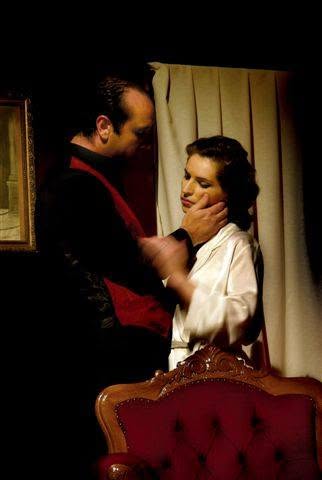
At the heart of Bar Macbeth is the corrosive effect of ambition. Macbeth is not presented simply as a monster from the start; he is loyal, capable and even reluctant. His tragedy lies in the way circumstance, prophecy and persuasion expose what is already dormant within him. Bettie understands this better than anyone. Her arguments do not create Macbeth’s hunger for power, but they name it, sharpen it and turn it into action. The murder of Duncan becomes the point at which loyalty, family, superstition and self-interest violently collide.
The use of Maltese idiom is central to the adaptation’s force. Shakespeare’s elevated poetry is replaced by the direct, rough, often humorous energy of everyday speech. This gives the play immediacy: the characters sound less like figures from literary history and more like people who might have inhabited the bars, side streets and back rooms of Valletta. The result is not a parody of Macbeth, but a serious act of translation across culture, class and place.
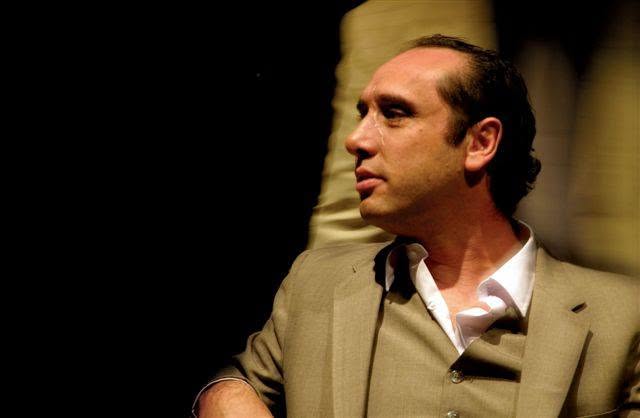
Contemporary publicity described the production as a new version of Macbeth transposed to early 1950s Malta, particularly the famous Strait Street, and noted that it was staged at the MITP Theatre between 10 and 13 December 2005. The Malta Independent also reported that Bryan Muscat adapted and translated Shakespeare’s script, rechristening it Bar Macbeth, while keeping the plot broadly faithful to the original. Written and directed by Bryan Muscat, and produced by Louise and Bryan Muscat, the production featured Bryan Muscat as Macbeth, Susanna Callus as Bettie, Neville Refalo as Banquo, and Lawrence Buontempo as Macduff.
What makes Bar Macbeth compelling is the way it localises Shakespeare without reducing him. Power, greed, destiny, guilt and violence are not imported themes here; they are discovered within a Maltese setting that understands hierarchy, reputation, debt, family loyalty and public shame. By placing the story in Valletta’s nightlife and underworld, the play finds a natural home for Shakespeare’s tragedy: a world of doors opening and closing, favours owed, secrets traded, and ambition whispered in the dark.
Nearly two decades after its staging, Bar Macbeth remains an intriguing example of how a classic text can be reimagined through Maltese history, language and theatrical instinct. It is both Shakespeare and not Shakespeare: familiar in its tragic journey, but unmistakably rooted in Valletta, in Maltese voices, and in the smoke-filled moral twilight of Strait Street.