
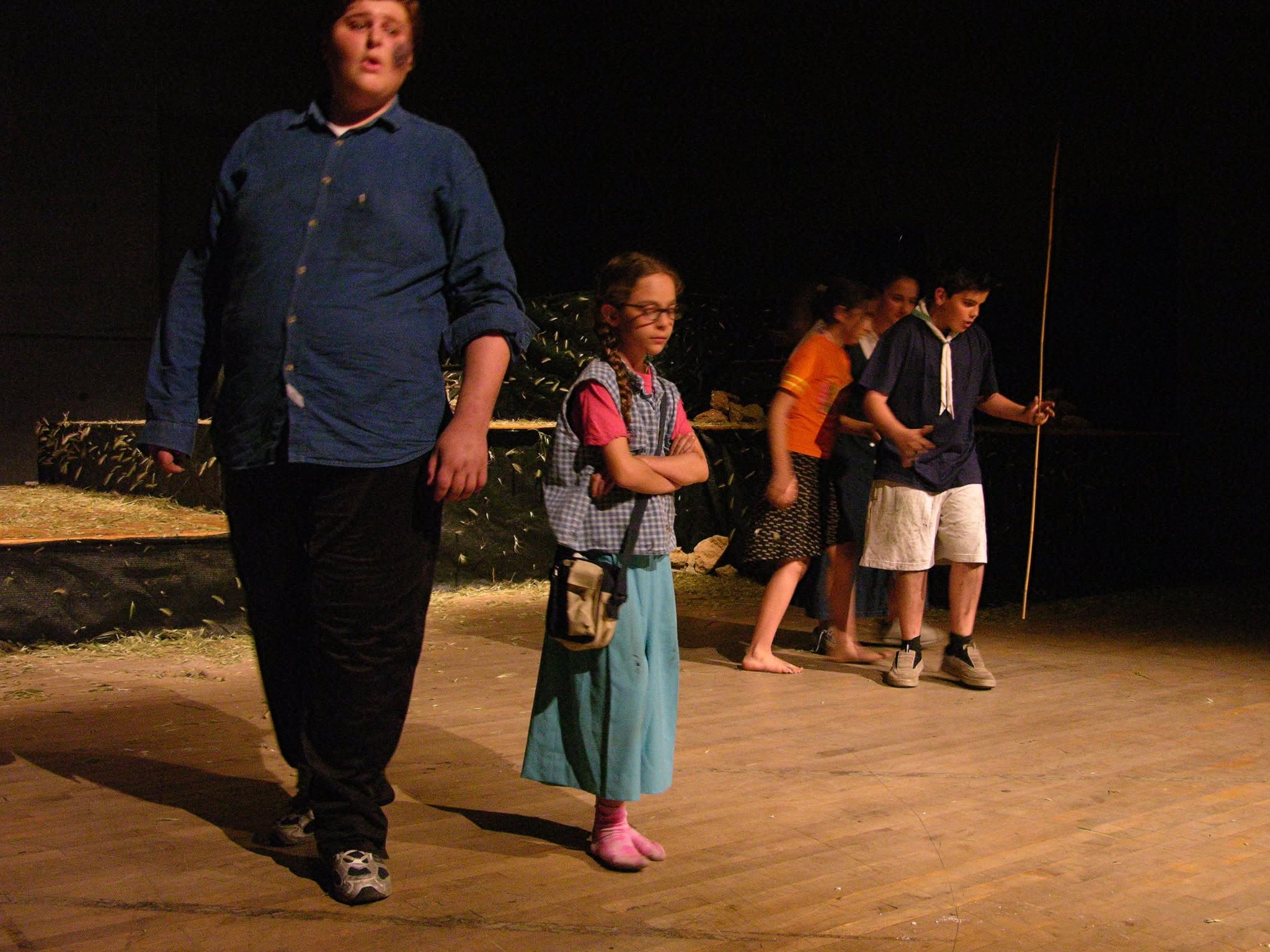
Performance Drama for 15+ Students: A Year of Discovery, Technique and Creative Performance
Designed for young performers aged 15 and over, this audition-based Performance Drama course offers a focused and practical journey into acting, self-expression and stagecraft. Built across two terms, the programme supports students as they move from personal awareness and improvisation towards advanced character work, theatre techniques and an end-of-course production.
The course, developed by Bryan Drama Course in collaboration with Mixta and Lemonhead, places the actor at the centre of the creative process. Students are encouraged to observe themselves, understand their emotions, develop their imagination and communicate truthfully through speech, gesture, movement, facial expression and body language.
Term One: Discovering the Actor Within
The first term introduces students to drama as a form of expression. Rather than beginning only with performance technique, the programme asks students to look inward: to understand their own reactions, habits, emotions and creative instincts. Through this process, drama becomes a way of becoming more aware of oneself and of others.
Students explore meditation through colours and sound, using reflection and sensory awareness to support imagination and emotional connection. Mime sessions then build on this inner work, focusing on observation, seeing and believing. These sessions help students understand how the body communicates and how truthful performance depends on the actor’s own belief in what they are presenting.
Improvisation is another major strand of the first term. Students learn the importance of balance, listening, reacting and sharing space with fellow performers. They practise quick character switching, spontaneous response, and the difference between improvising for stage and improvising for camera, where continuity, marks, framing and technical awareness become essential.
The term also introduces script analysis, comedy, dramatic performance, social realism and character profiling. Students examine how to read a script as an actor, how to ask useful questions, how to identify shifts in a scene, and how to build a believable character through personal history, relationships, memories and motivation.
By completing this course, students will develop stronger confidence in performance, a deeper understanding of acting technique, and practical experience in creating believable characters for stage and screen. They will also learn to work responsibly as part of an ensemble, respond creatively to direction, and apply key theatre methods in rehearsal and performance.
Why This Course Matters
For young performers, drama training is not only about learning how to act. It is also about learning how to observe, listen, respond, collaborate and communicate with clarity. This course gives students a structured space to explore themselves and the world around them while developing practical performance skills for stage and screen.
By the end of the year, students will have worked through improvisation, mime, script analysis, acting theory, character development, theatre history and production rehearsal. The result is a demanding but rewarding programme for committed young actors who are ready to deepen their craft and take performance seriously.
Term Two: Technique, Method and Performance Practice
The second term develops the students’ technical understanding of acting. The focus shifts towards preparation, rehearsal discipline and the study of major acting approaches. Students learn how to read a script thoroughly, discuss interpretation with a director, develop a character profile, rehearse with movement and action, and bring a studied role to life.
The programme introduces key practitioners including Stanislavski, Lee Strasberg, Sanford Meisner, Michael Chekhov, Augusto Boal and Jerzy Grotowski. Rather than treating these methods as fixed rules, the course encourages students to understand how different techniques can serve different performance needs. Students explore objectives, emotional preparation, repetition, imagination, physical gesture, practical action and the relationship between performer and spectator.
Practical sessions remain central throughout the term. Students perform studied characters, present individual character profiles, observe real people in detail, and apply their discoveries in thematic group work. Scenarios such as a town meeting in Ħal Buruma and a stranded cruise ship create ensemble challenges that require listening, commitment, imagination and believable interaction.
The final part of the course is dedicated to improvisation and end-of-course production work. Here, students bring together the skills developed across the year: self-awareness, observation, characterisation, script understanding, ensemble responsibility and confidence in performance.